Wednesday October 21, 2026 10:45am - 12:15pm EDT
Legal problems don't arrive in isolation — they arrive in people's lives, tangled together with health crises, housing instability, substance use, family disruption, and economic precarity. A tenant facing eviction is likely also navigating medical debt, a custody dispute, or a probation requirement. A person experiencing homelessness may have outstanding warrants, untreated mental health needs, and civil legal issues they don't even recognize as legal. The justice system's response is almost always siloed: each problem gets its own case number, its own office, its own eligibility screen. This session asks what happens when partners across sectors decide to work together instead.
Four case studies present different models of cross-sector partnership, each built around a different population and a different constellation of partners. In Cincinnati, a court-treatment liaison model demonstrates how behavioral health and judicial systems can move from fragmented referrals to coordinated pathways of support. This work is not just about sending someone to treatment; it is about creating a warm handoff and a clear point of communication between clients, attorneys, judges, supervision partners, jail partners, treatment providers, and community support.
The liaison listens not only to the client’s needs, but also to how the judicial system understands and responds to structured support. By translating between legal expectations and treatment realities, the model helps create clearer communication, better-informed treatment orders, stronger continuity of care, and earlier identification of barriers before they become violations. At its core, the Cincinnati model shows that connection is the intervention.
Another Cincinnati case study demonstrates the impact of a criminal-civil legal partnership for juvenile court-involved youth. And in Austin, a community court developed a Mobile Court program and outreach approach to help resolve outstanding cases and warrants while connecting people to case management and social services, reducing service barriers and building on trusted relationships with community partners. Each model is different, but the underlying insight is the same: better outcomes require partners who see the whole person, not just the case.
In Newark, in a state where tenants do not have a right to counsel, a social service agency with experience in community courts and a legal services agency teamed up to provide comprehensive and holistic services to households facing eviction. One partner provided navigation, case management, rental assistance, and various wraparound services. The other provided legal consultation and representation. They would meet weekly to troubleshoot cases and partnered in outreach endeavors to facilitate Know Your Rights groups to the community. They learned to leverage each other’s resources to provide more meaningful services to their participants.
After the case studies, participants move from observation to action. An ecosystem mapping exercise will help participants identify common legal problems, map every actor already touching that person's life — courts, social services, health providers, housing agencies, employers — and identify which actors are not currently connected to the legal system but should be. Participants will have the option to work through two case studies, or choose to work through a common scenario specific to their home jurisdictions. You'll leave with a cross-sector partnership template, case study summaries, and a concrete plan for one partnership you can initiate in your jurisdiction.
Speakers 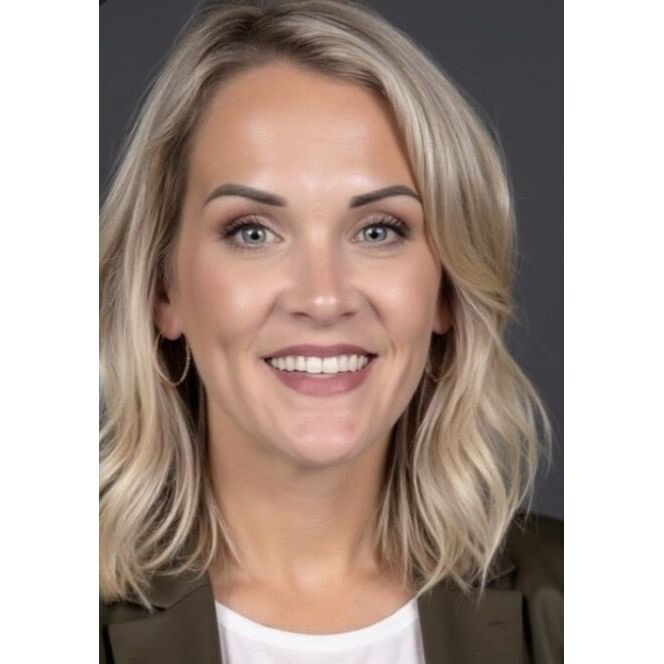
Court Liaison- Social Worker, Center for Addiction Treatment
Jordan McLane, MSW, LSW, LICDC-GAMB, OCPSA, is a social worker and Court Liaison at the Center for Addiction Treatment in Cincinnati, Ohio, where McLane developed the Court Services/Liaison Program. Working collaboratively with judges, probation officers, public defenders, social...
Read More →
Director, Youth Defense, Hamilton County Public Defender
Angela Chang is the Chief of the Hamilton County Public Defender, where she has been a defender since 2015. Angela began her legal career representing the criminally accused in both misdemeanor and felony cases as a Deputy State Public Defender for the Office of the Colorado State...
Read More →SN
Executive Director, Children's Law Center KY
Sasha Naiman is the Executive Director of Children’s Law Center, a nonprofit legal organization serving children and young adults across Ohio and Kentucky. She leads the organization's advocacy, strategic growth, and interdisciplinary collaborations to improve outcomes for youth...
Read More → 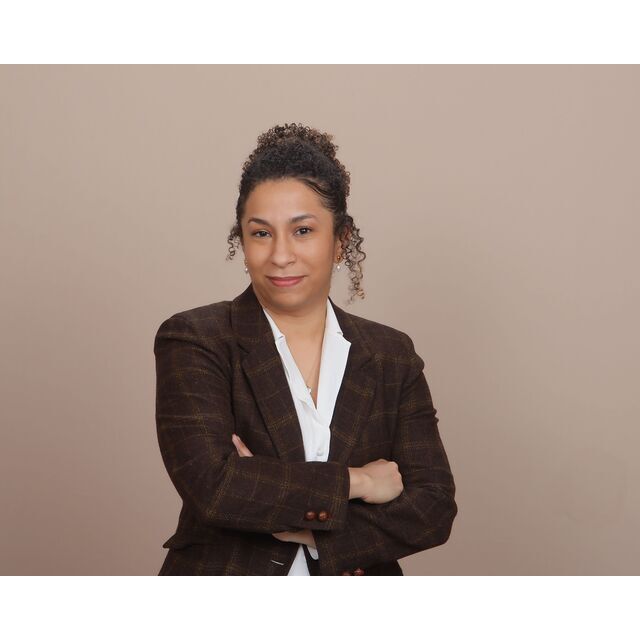
Project Director, Center for Justice Innovation
Yaniris Gomez serves as the Project Director for Newark Community Solutions, a community justice program aimed at providing court-based and community interventions in Essex County, NJ. NCS runs a community court in the Newark Municipal Court (adult criminal diversion), Youth Impact...
Read More →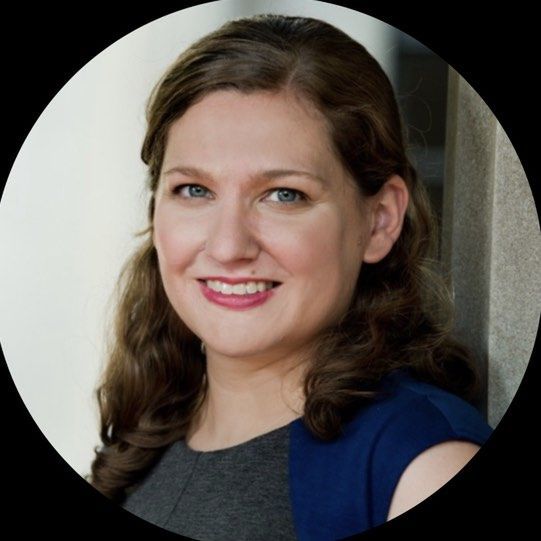
Senior Staff Attorney, Volunteer Lawyers for Justice
Allison is a Managing Attorney at Volunteer Lawyers for Justice. She is the Program Lead for VLJ's Tenancy Program and also supports the Debt Relief Legal Program.
Prior to joining VLJ, Allison was an associate at a private law firm where she practiced civil litigation. Allison...
Read More →SR
Austin Community Court
Sarah Rodriguez joined DACC as the Mobile Court Program Development Coordinator. Sarah earned her undergraduate degree from Pacific Lutheran University and her master’s degree from Cornell University. She previously worked as a housing organizer in Dallas before working at the City...
Read More →